When Your Sleep Never Lets Your Heart Rest
People with Narcolepsy are at greater risk of cardiovascular complications. No nocturnal blood pressure dipping. Drastically elevated hypertension rates. Increased heart disease and stroke risk.
We’re exposing the truth — and giving you the tools to protect your heart.
The Connection
Science Behind Narcolepsy and Cardiovascular Disease
2-3X
Higher risk of hypertension for people with Narcolepsy
50%
Increased risk of heart disease and stroke for people with Narcolepsy
0%
Nocturnal blood pressure dipping, so vessels never rest
The Cascade Effect
Understanding how one diagnosis can lead to others
1. Sleep Disruption: Fragmented nighttime sleep and excessive daytime sleepiness
2. Autonomic Imbalance: Overactive sympathetic nervous system, even during sleep
3. Sustained Blood Pressure: No nocturnal dipping means 24/7 cardiovascular stress
4. Vascular Damage: Chronic elevated pressure damages blood vessel walls
5. Metabolic Changes: Weight gain, insulin resistance, dyslipidemia
6. Increased Risk: Heart attack, stroke, heart failure, kidney disease
Critical Note
These cardiovascular risks are independent of other factors.
Even in people with Narcolepsy who maintain healthy weight, exercise regularly, and don’t have other traditional risk factors, the cardiovascular burden remains significantly elevated. This is not about lifestyle—it’s about the disorder itself.
Know Your Risk
Evidence-based Guidance & Warning Signs
Essential Cardiovascular Screenings
If you have Narcolepsy, you should talk with your provider about:
- Annual Blood Pressure Checks: In-office readings at every visit
- 24-Hour Ambulatory Blood Pressure Monitoring: To assess nocturnal dipping, if it is happening
- Lipid Panel: Annually or as recommended by your provider
- Fasting Glucose and HbA1c: To screen for diabetes and prediabetes
- Body Mass Index and Waist Circumference: To assess metabolic syndrome risk
- EKG: Baseline and as needed for symptoms
- Cardiovascular Risk Assessment: Using validated calculators (ASCVD, Framingham)
Warning Signs You Should Know
Seek immediate medical attention if you experience:
- Chest pain or pressure: Especially with exertion or stress
- Shortness of breath: Beyond what’s typical for you
- Severe headaches: Sudden onset, different from usual
- Vision changes or speech difficulty: Potential stroke warning
- Irregular heartbeat or palpitations: Persistent or severe
- Sudden weakness or numbness: Especially one-sided
- Severe fatigue beyond sleepiness: New or worsening
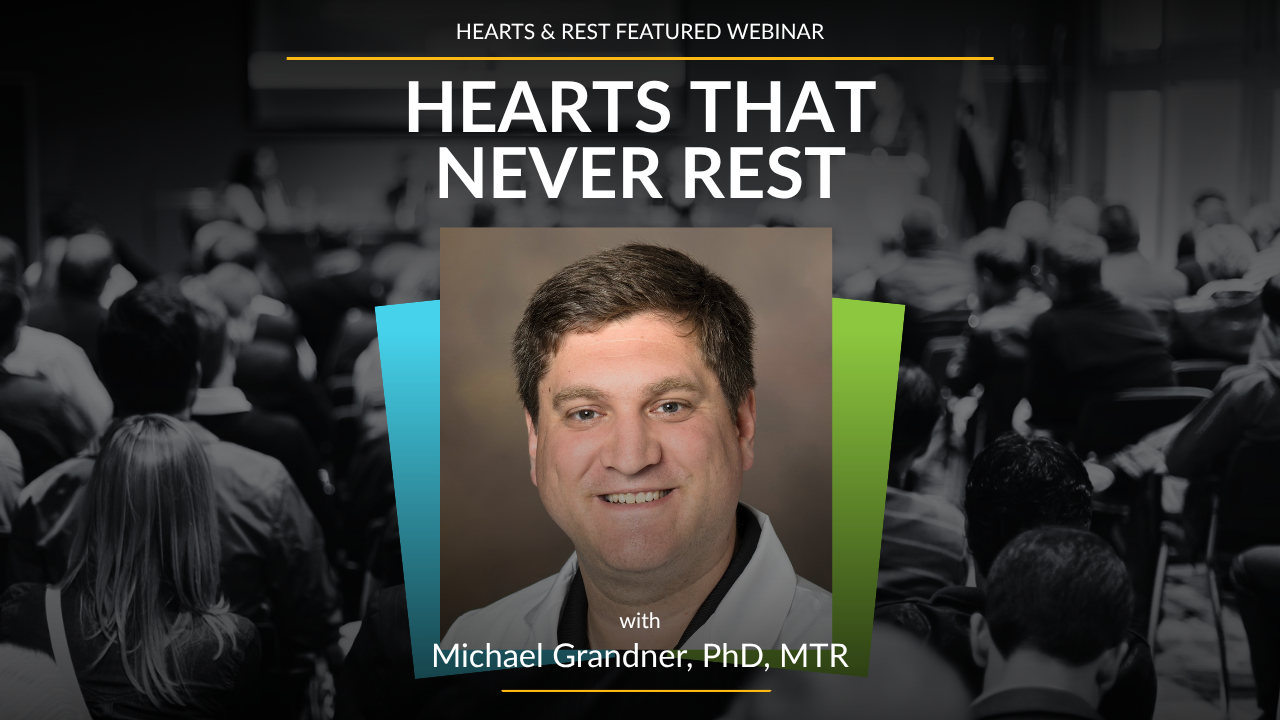
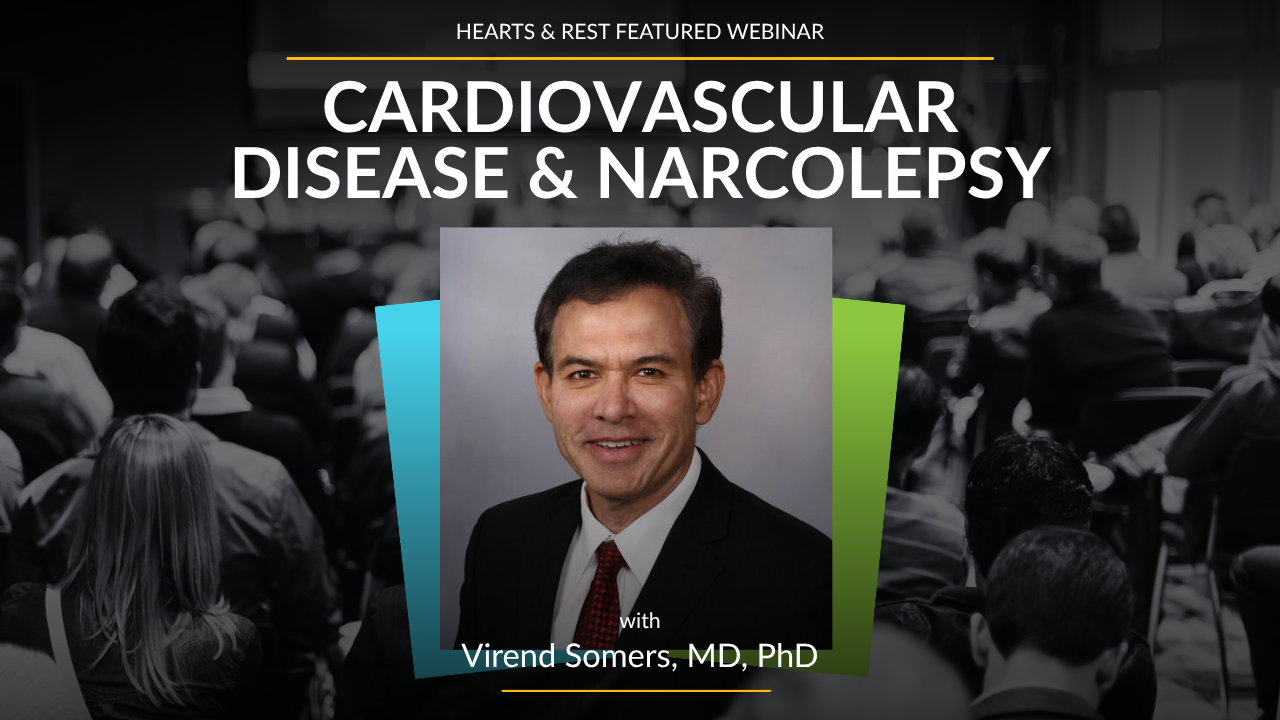
Featured Blogs & Webinars

Resources
Tools to Protect Your Heart
American Heart Association Sleep Disorders & Cardiovascular Health Fact Sheet |

Doctor Patient Discussion Guide |

Take Action



Thank you to our Comorbidities Awareness Campaign Sponsors